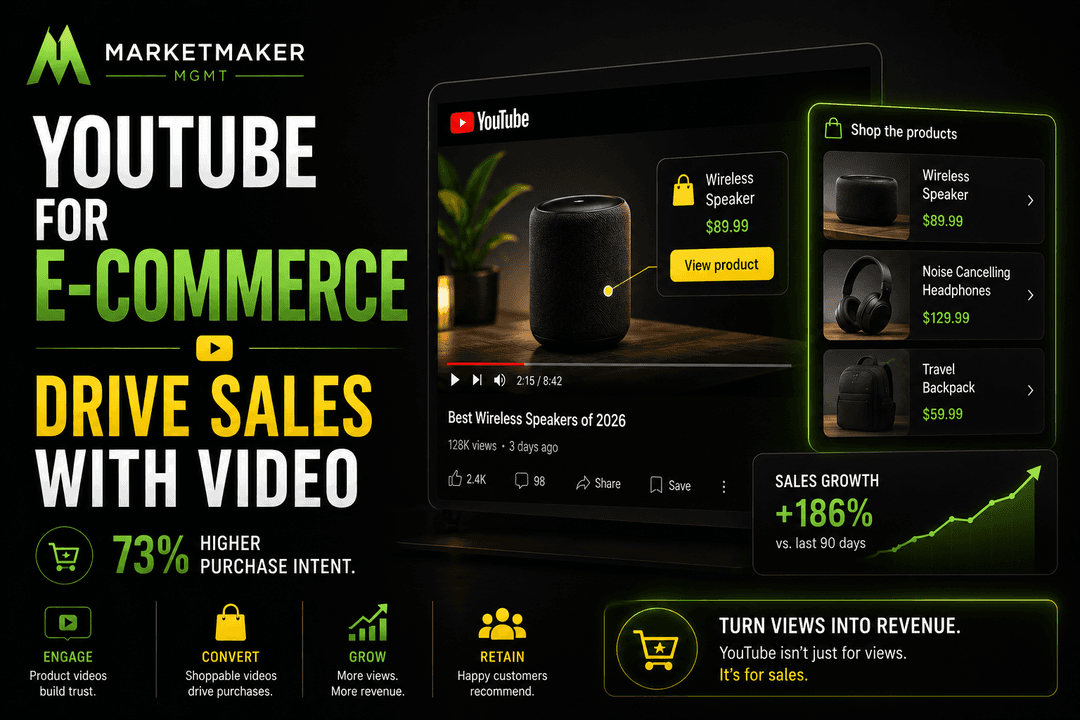
Running a successful YouTube channel is a full-time job. Between ideation, filming, editing, thumbnail design, SEO optimization, community management, and analytics review, even a single weekly video requires 15-20+ hours of work.
For businesses and busy creators, outsourcing YouTube management is often the most efficient path to consistent growth.
The difference between YouTube channels that grow and those that stagnate almost always comes down to strategy, not talent. After managing over 250 channels across every major niche, we've identified the patterns that separate successful creators from those who never gain traction. This guide distills those patterns into actionable strategies you can implement starting today.
What YouTube Management Includes
A comprehensive YouTube management service should cover:
Video Editing: Raw footage transformed into polished, engaging content with professional cuts, transitions, color grading, and audio mixing.
Thumbnail Design: Custom-designed thumbnails optimized for click-through rates, including A/B testing when available.
SEO Optimization: Keyword research, title optimization, description writing, tag selection, and hashtag strategy for every video.
Shorts Creation: Repurposing long-form content into vertical short-form clips, plus original Shorts content.
Community Management: Responding to comments, managing the Community Tab, and engaging with your audience.
Analytics & Reporting: Monthly performance reviews with actionable insights and strategy adjustments.
Red Flags to Watch For
No portfolio or case studies: Any legitimate YouTube management company should be able to show results they've achieved for other channels.
Promising specific subscriber counts: No one can guarantee a specific number of subscribers. Growth depends on too many variables.
No dedicated point of contact: You should have a specific person managing your account, not a rotating team with no continuity.
Lock-in contracts: Reputable companies don't need to lock you into long-term contracts. Their results should speak for themselves.
What Most Creators Get Wrong: The biggest mistake we see is treating this as a one-time task rather than an ongoing process. YouTube's algorithm and viewer preferences evolve constantly. Set a monthly review cadence to analyze what's working and adjust accordingly.
Case Study: A tech review channel we work with was stuck at 50,000 subscribers for over a year. After implementing this specific strategy with rigorous consistency, they broke through to 200,000 subscribers in just 5 months. The content quality didn't change dramatically — the strategy did.
What to Expect
Results from professional YouTube management typically follow a predictable timeline. Months 1-2 focus on establishing processes, optimizing existing content, and building a content pipeline. Months 3-4 see growing organic traffic as optimized content gains traction. By months 5-6, the compound effect kicks in and growth becomes self-reinforcing.
Cost Considerations
YouTube management costs vary widely based on scope. Basic packages (editing + optimization) start around $500-750/month, while comprehensive packages (full channel management) range from $750-2,000/month.
The key metric is return on investment. If your management service costs $900/month but generates $3,000+ in new business monthly, the ROI is clear.
Pro Tip: Don't try to implement everything at once. Pick the two strategies from this section that resonate most with your situation and master them before adding complexity. One of our clients in the education niche saw a 280% increase in organic traffic by focusing on just two optimization tactics for 90 days straight.
The Data: According to YouTube's Creator Academy and our internal data from managing 250+ channels, creators who implement this approach see an average 40-60% improvement in key metrics within the first quarter.
Taking Action: Your Next Steps
Knowledge without execution is worthless. Here's your action plan:
1. Audit your current approach against the strategies above — identify your biggest gap 2. Implement one change this week, not next month 3. Track results for 30 days before judging effectiveness 4. Iterate based on data, not gut feeling 5. Consider working with a professional YouTube management team to accelerate results
The creators who win on YouTube in 2026 aren't the most talented — they're the most strategic and consistent. Every strategy in this guide has been proven across hundreds of channels. The only variable is execution.
Why Most Businesses Fail on YouTube (And How to Succeed)
The #1 reason businesses fail on YouTube is treating it like traditional advertising. They create "about us" videos, product showcases, and corporate-style content that nobody wants to watch. YouTube isn't TV — it's a search engine and social platform where value-driven content wins.
The businesses that succeed follow a simple formula: solve your customer's problems on camera. A law firm shouldn't make commercials — they should answer common legal questions. A SaaS company shouldn't demo their product — they should teach the skills their product enables.
When you become the most helpful resource in your industry on YouTube, customers find you organically. They've already received value from you before they ever make a purchase. This pre-built trust shortens sales cycles, increases close rates, and reduces customer acquisition costs dramatically.
The investment in YouTube pays for itself not just through direct leads, but through brand authority, customer trust, and competitive differentiation. In a world where every competitor is running the same Google Ads, a library of 100+ helpful YouTube videos is an unfair advantage that money alone can't buy.
Sources & References

Want results like the strategies discussed in this article? Let our team handle your YouTube growth.
Get Started