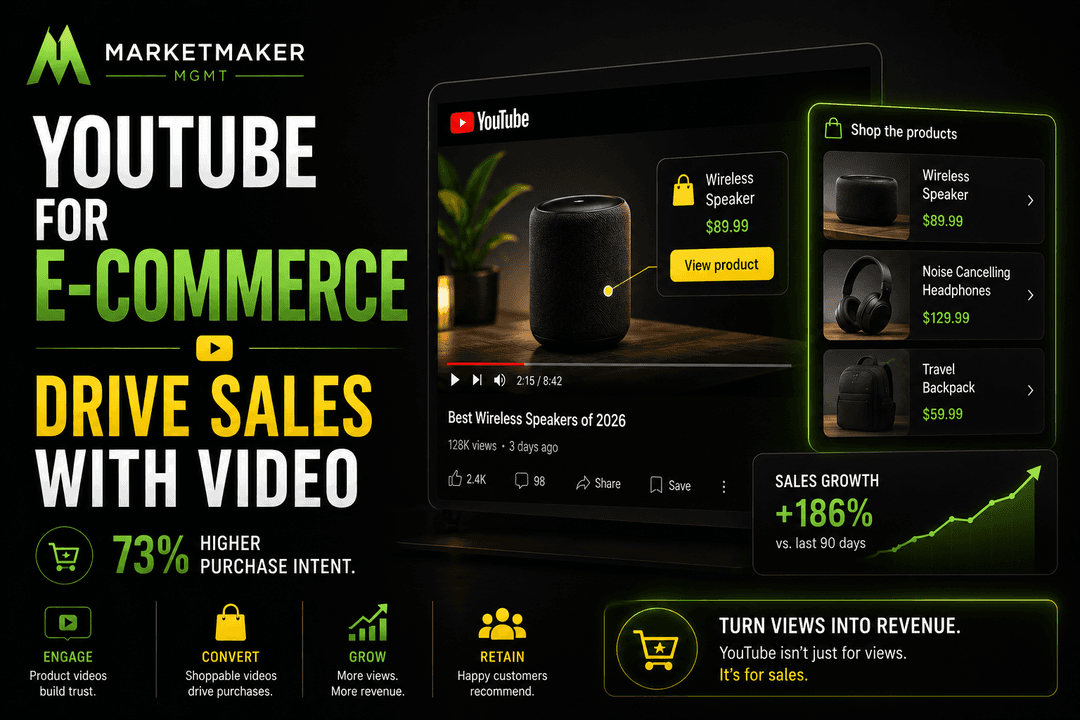
YouTube monetization extends far beyond AdSense. While ad revenue gets the most attention, it's often the smallest revenue stream for successful creators and businesses.
The difference between YouTube channels that grow and those that stagnate almost always comes down to strategy, not talent. After managing over 250 channels across every major niche, we've identified the patterns that separate successful creators from those who never gain traction. This guide distills those patterns into actionable strategies you can implement starting today.
1. YouTube Partner Program (Ad Revenue)
The baseline: once you hit 1,000 subscribers and 4,000 watch hours (or 10 million Shorts views), you can join YPP. Average CPM (cost per 1,000 ad impressions) ranges from $2-$15 depending on your niche, audience location, and content type.
Finance, technology, and business niches command the highest CPMs, while entertainment and gaming tend to be lower.
2. Channel Memberships
Viewers pay a monthly fee ($0.99-$49.99) for exclusive perks: custom badges, emojis, members-only content, and community posts. Channels with engaged communities can generate significant recurring revenue from memberships.
What Most Creators Get Wrong: The biggest mistake we see is treating this as a one-time task rather than an ongoing process. YouTube's algorithm and viewer preferences evolve constantly. Set a monthly review cadence to analyze what's working and adjust accordingly.
Case Study: A tech review channel we work with was stuck at 50,000 subscribers for over a year. After implementing this specific strategy with rigorous consistency, they broke through to 200,000 subscribers in just 5 months. The content quality didn't change dramatically — the strategy did.
3. Super Chats and Super Stickers
During live streams, viewers can pay to highlight their messages. Top live streamers earn thousands per stream from Super Chats alone.
4. Sponsorships and Brand Deals
For most mid-size creators (10K-500K subscribers), sponsorships are the largest revenue source. Brands pay $20-$100+ per 1,000 views for sponsored segments, with rates varying by niche and audience demographics.
Pro Tip: Don't try to implement everything at once. Pick the two strategies from this section that resonate most with your situation and master them before adding complexity. One of our clients in the education niche saw a 280% increase in organic traffic by focusing on just two optimization tactics for 90 days straight.
The Data: According to YouTube's Creator Academy and our internal data from managing 250+ channels, creators who implement this approach see an average 40-60% improvement in key metrics within the first quarter.
5. Affiliate Marketing
Linking to products in your video descriptions with affiliate tracking generates commission on sales. Tech reviewers, for example, earn significant income through Amazon affiliate links.
6. Digital Products and Courses
YouTube is the ultimate top-of-funnel for selling your own products. A channel about photography can sell Lightroom presets. A business channel can sell courses. The profit margins on digital products are 90%+.
7. Lead Generation for Services
For businesses, YouTube's biggest monetization isn't direct revenue — it's the clients and customers your content attracts. A real estate agent's YouTube channel might never earn meaningful ad revenue, but the listing clients it generates could be worth millions.
8. YouTube Shopping
YouTube's shopping features let you tag products directly in videos, creating a seamless path from content to purchase. This is particularly powerful for e-commerce brands and product reviewers.
Building Multiple Streams
The most financially successful YouTube channels don't rely on a single revenue stream. They layer multiple monetization methods: ad revenue provides a base, sponsorships add significant income, and their own products or services generate the highest margins.
Taking Action: Your Next Steps
Knowledge without execution is worthless. Here's your action plan:
1. Audit your current approach against the strategies above — identify your biggest gap 2. Implement one change this week, not next month 3. Track results for 30 days before judging effectiveness 4. Iterate based on data, not gut feeling 5. Consider working with a professional YouTube management team to accelerate results
The creators who win on YouTube in 2026 aren't the most talented — they're the most strategic and consistent. Every strategy in this guide has been proven across hundreds of channels. The only variable is execution.
The Revenue Compounding Effect
What makes YouTube unique among marketing channels is the compounding nature of content investment. A blog post might rank for 6-12 months before competitors overtake it. A YouTube video can rank and generate traffic for 3-5+ years.
Consider this math: if you publish 4 videos per month and each video generates an average of 500 views per month indefinitely, after one year you have 48 videos generating 24,000 monthly views. After two years, 96 videos generating 48,000 monthly views. The cost of production stays constant while the output grows linearly. No paid advertising channel offers this kind of compounding return.
The most successful businesses on YouTube treat their video library as a portfolio of assets, each one generating returns month after month, year after year. This mindset shift — from "creating content" to "building assets" — is what separates businesses that see YouTube as an expense from those that see it as their most profitable investment.
Sources & References

Want results like the strategies discussed in this article? Let our team handle your YouTube growth.
Get Started